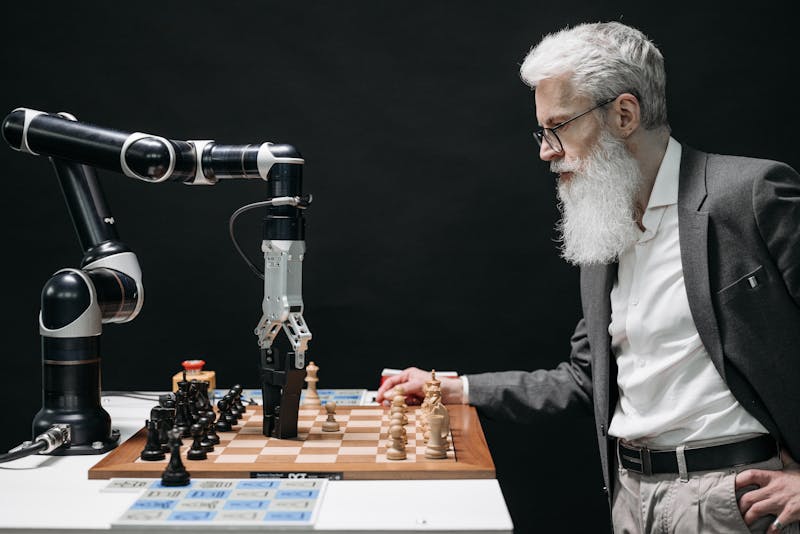
Web design in 2026 has been fundamentally transformed by artificial intelligence. What once required days of design work can now be accomplished in minutes, and websites are becoming increasingly personalized and adaptive. Let's explore the key trends shaping AI-powered web design this year.
AI Design Tools Revolution
A new generation of AI-powered design tools has emerged:
- Figma AI: Generate entire design systems from text descriptions
- v0 by Vercel: Create production-ready React components from prompts
- Framer AI: Build complete websites with natural language instructions
- Midjourney for UI: Generate custom illustrations, icons, and visual assets
- Builder.io Visual Copilot: Convert designs to code automatically
Generative UI Components
AI is now capable of generating entire UI components based on requirements:
- Contextual Generation: Components adapt to your existing design system
- Responsive by Default: AI generates mobile-first, accessible components
- Framework Agnostic: Output in React, Vue, Svelte, or plain HTML/CSS
- Animation Included: Micro-interactions and transitions are auto-generated
Intelligent Personalization
Websites are becoming adaptive experiences:
- Dynamic Layouts: Page structure adjusts based on user behavior and preferences
- Content Optimization: Headlines, images, and CTAs personalize in real-time
- Behavioral Prediction: AI anticipates user needs and surfaces relevant content
- A/B Testing at Scale: Thousands of variations tested simultaneously with ML optimization
AI-First Design Systems
Modern design systems now incorporate AI capabilities:
- Semantic Tokens: AI understands context and applies appropriate styles
- Self-Healing Components: Designs automatically fix accessibility issues
- Brand Consistency: AI enforces brand guidelines across all generated content
- Cross-Platform Harmony: Generate consistent designs for web, mobile, and apps
Voice and Conversational Interfaces
AI is enabling new interaction paradigms:
- Voice-First Navigation: Users navigate sites through natural speech
- AI Chat Assistants: Embedded assistants that understand your entire site
- Multimodal Interactions: Combine voice, text, and gestures seamlessly
- Accessibility by Default: Voice interfaces make sites more accessible
Automated Design QA
AI is revolutionizing quality assurance:
- Visual Regression Testing: AI detects unintended design changes
- Accessibility Auditing: Automatic WCAG compliance checking and fixes
- Performance Optimization: AI suggests and implements design optimizations
- Cross-Browser Testing: Automated testing across hundreds of browser configurations
The Designer's New Role
As AI handles execution, designers focus on strategy:
- AI Prompt Engineering: Crafting effective instructions for AI tools
- Curation and Refinement: Selecting and polishing AI-generated options
- Strategic Thinking: Focusing on user research and business goals
- Brand Stewardship: Ensuring AI outputs align with brand values
Implementation Considerations
- Human Oversight: Always review AI-generated designs before deployment
- Brand Guidelines: Train AI tools on your specific brand requirements
- User Testing: Validate AI designs with real user feedback
- Iterative Refinement: Use AI as a starting point, not a final solution
Conclusion
AI-powered web design in 2026 is not about replacing designers - it's about augmenting their capabilities. The most successful teams are those who embrace AI as a powerful tool while maintaining human creativity and strategic thinking at the core of their process. The result? Better designs, faster delivery, and more personalized user experiences than ever before.